
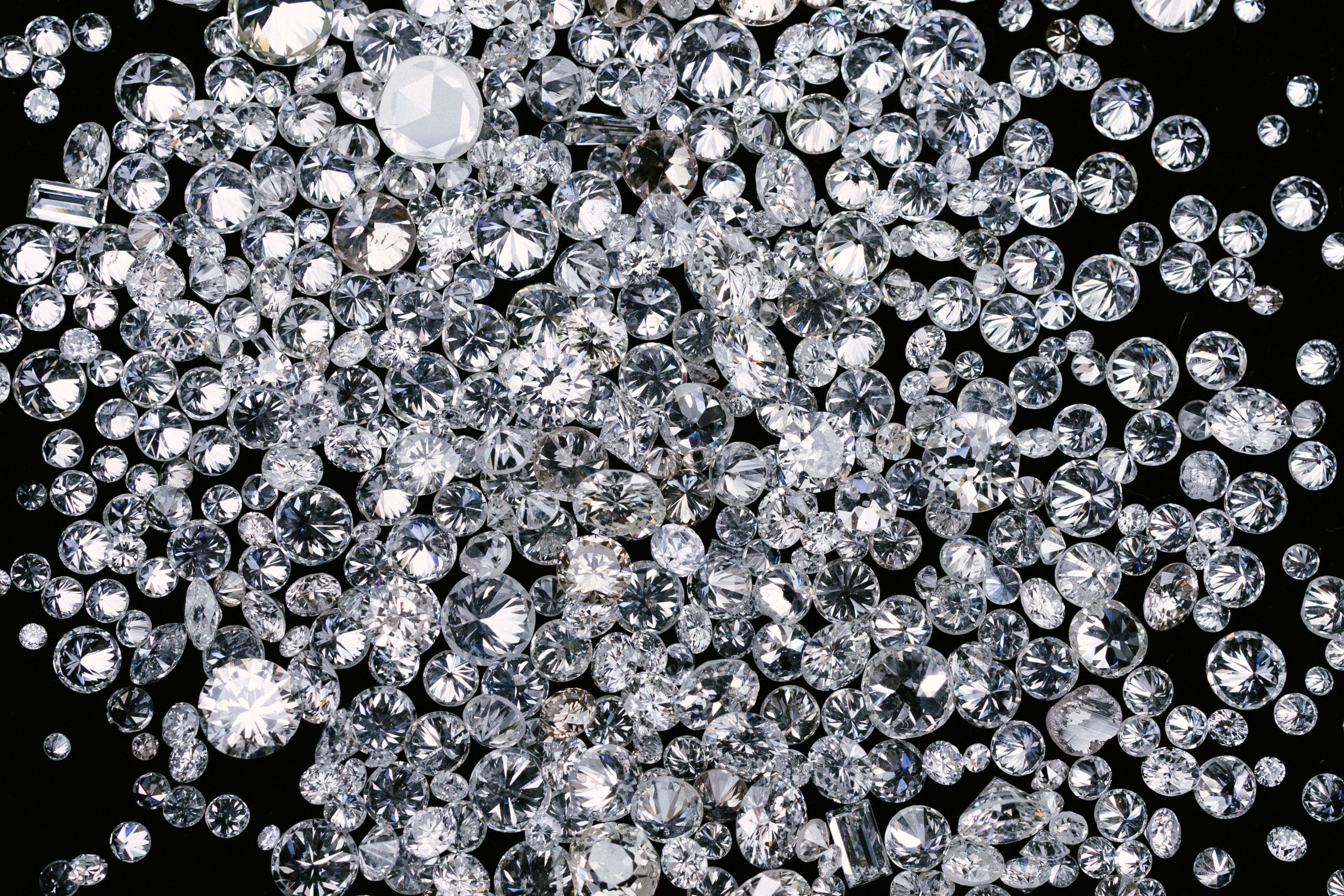
At Uniglo Jewels, we believe an informed buyer is an empowered one. Choosing a diamond; whether it’s for a proposal, a celebration, or simply because you deserve it; should come with clarity, not confusion. And in a world where lab-grown diamonds have earned their space beside natural diamonds, understanding the difference is more important than ever.
This isn’t about which one is better. It’s about which one is better for you.
First, Let’s Get One Thing Clear: A Diamond Is a Diamond
Both natural and lab-grown diamonds are real diamonds.
They have the same chemical composition, optical brilliance, and hardness. In fact, even professional gemologists need advanced equipment to tell them apart. What sets them apart isn’t how they look or feel; it’s how they’re made, where they come from, and how you feel about owning one.
At Uniglo, we proudly offer both natural and lab-grown diamonds, because we understand that no two customers; and no two diamond stories; are the same.
Natural Diamonds: Earth’s Billion-Year Art
Natural diamonds are formed deep beneath the Earth’s crust under intense heat and pressure over billions of years. Each one is a fragment of time, carried from the earth’s core to the surface by volcanic eruptions. No two are exactly alike.
They are valued not only for their beauty but also for their rarity and history. The process of formation is what makes natural diamonds so extraordinary. You’re not just wearing a gem; you’re wearing a story billions of years in the making.
Whether passed down as heirlooms or chosen as engagement rings, natural diamonds have long stood for tradition, permanence, and timeless elegance.
Lab-Grown Diamonds: Innovation You Can Wear
Lab-grown diamonds, on the other hand, are grown in high-tech labs using one of two methods: High Pressure High Temperature (HPHT) or Chemical Vapor Deposition (CVD). These techniques mimic the natural diamond-growing process, just at a much faster rate.
The result? A diamond that is physically, optically, and chemically identical to a mined diamond; just with a shorter origin story and a gentler environmental footprint.
For many, lab-grown diamonds offer modern beauty with a conscience. They tend to be more affordable than natural diamonds of the same size and quality, giving buyers the freedom to go bigger or better within their budget.
How to Choose: It’s About What Matters to You
When it comes to choosing between natural and lab-grown diamonds, we never say “this one’s better.” Instead, we ask; what’s meaningful to you?
Do you want a rare stone with natural origins?
Do you prefer an eco-conscious, budget-friendly alternative?
Are you choosing a once-in-a-lifetime ring or planning to collect fine jewelry across life’s milestones?
Some of our customers love the legacy behind natural diamonds, while others love the transparency and innovation behind lab-grown options. And many choose a mix of both.
Visual & Quality Differences: None That You’ll See
There’s a reason lab-grown diamonds are shaking up the industry: to the naked eye, they’re indistinguishable from mined ones. Even under a loupe, you’d struggle to tell the difference unless you’re a gemologist with specialised tools.
At Uniglo, all diamonds; whether natural or lab-grown; go through the same rigorous selection based on the 4Cs:
Cut
Clarity
Color
Carat weight
We also ensure every piece is certified by reputed laboratories like GIA, IGI, or HRD, so you’re always assured of quality, authenticity, and trust.
Cost Considerations: More Diamond for Your Budget
If size matters (and let’s be honest, sometimes it does), lab-grown diamonds offer a significant price advantage. You could get a 1.5-carat lab diamond for the same price as a 1-carat natural one, with no visible trade-off in sparkle or structure.
This cost difference doesn’t reflect inferiority. It reflects availability. Lab-grown diamonds aren’t subject to the same rarity and resource-intensive extraction as natural stones; making them more accessible without compromising beauty.
Sustainability: A Choice of Conscience
While both types of diamonds require energy to produce, lab-grown diamonds typically leave a smaller carbon footprint and don’t require mining. They also avoid some of the ethical concerns associated with conflict zones.
That said, not all lab-grown diamonds are automatically sustainable; it depends on the energy source of the lab. That’s why at Uniglo, we work only with lab partners who meet global ethical and environmental standards.
Natural diamonds, too, are more ethically sourced today than in the past. Thanks to international frameworks like the Kimberley Process, conflict diamonds have been largely eradicated from the formal supply chain. Still, due diligence matters; and we take it seriously.
Resale & Rarity: A Note to Remember
One difference worth noting: natural diamonds typically hold resale value better due to their rarity. They’re often chosen as investments or family heirlooms.
Lab-grown diamonds, while still luxurious and real, are less rare; and resale markets are still evolving. That said, if your priority is beauty, budget, and sustainability, resale might not be a deciding factor for you.
Why Uniglo Offers Both
At Uniglo Jewels, we don’t take sides. We simply offer clarity, choices, and quality. Our collections are built on transparency; letting you know what you’re buying, why it costs what it does, and how it was made.
Whether you choose a natural diamond with ancient origins or a lab-grown gem with futuristic brilliance, our goal is to help you choose with confidence, not confusion.
Final Thought: There’s No Wrong Choice
Diamonds are personal. They carry emotions, mark milestones, and live with you for years; sometimes generations. Choosing between natural and lab-grown isn’t about better or worse; it’s about your values, your style, your story.
Whichever path you choose, we’re here to make the journey sparkle.
Uniglo Jewels | Real Diamonds. Honest Choices. Timeless Stories.